Category: Magazine

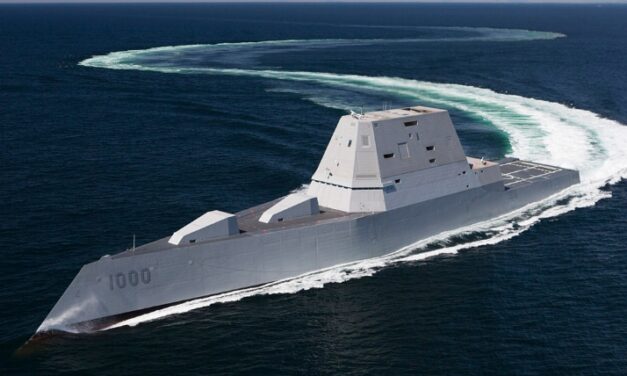
Change of course for the Zumwalt destroyers

In der amerikanischen Medienöffentlichkeit stehen die futuristisch anmutenden Zerstörer der ZUMWALT-Klasse trotz ihres hohen technischen Entwicklungsstandes schon seit Jahren in der Kritik. Nun wagt die U.S. Navy einen Neustart. Das Ende des Kalten Krieges und der Zusammenbruch der Sowjetunion läuteten für die U.S. Navy eine Zeit unangefochtener Dominanz auf den Weltmeeren ein, in der Konflikte mit ebenbürtigen Gegnern auf hoher See eher unwahrscheinlich erschienen. Die Aufgaben der Seestreitkräfte bei der Feuerunterstützung an Land operierender Kräfte blieben hingegen unverändert,[ds_preview] wie etwa der Einsatz von Schlachtschiffen der IOWA-Klasse im Golfkrieg 1991 vor Augen führte. Mit der Außerdienststellung des letzten IOWA-Schlachtschiffs im...

Weiterlesen
South Korea continues frigate programme with the FFX-IV

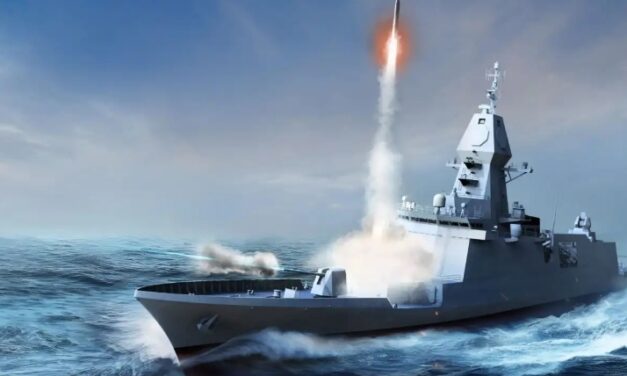
Seoul is continuing the renewal of its frigate fleet with determination. After six units of the Incheon class (115 metres, 3,200 tonnes) have been in service for ten years as FFX-I and the FFX-II with a new silhouette as Daegu class (122 metres, 3,600 tonnes) have proven themselves with eight units delivered in the last five years, six units of the FFX-III Chungnam class are now under construction at three South Korean shipyards (129 metres, 4,300 tonnes) - the type ship of this class is about to enter service. However, as there is still a 30-year-old partial stock of three KDX-I destroyers, seven Ulsan frigates and 16 Pohang corvettes in the...

Weiterlesen

The weapons count

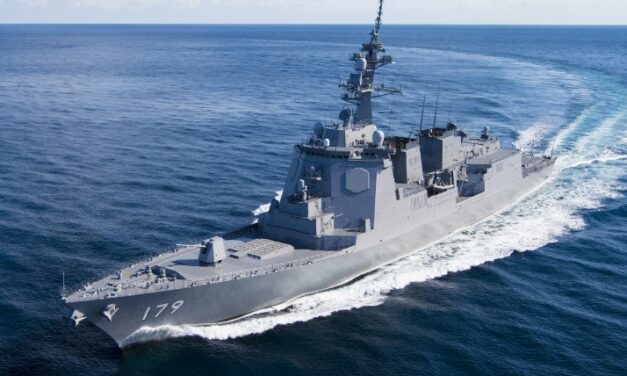
With the ASEV, the Japanese navy is introducing its heaviest class of warship equipped with guided weapons to date. The ships are designed for the future use of laser and railgun weapons. The Japanese Navy (internationally known as the JMSDF or Japanese Maritime Self-Defence Force) currently has eight guided-missile destroyers, including two units of the Maya class, which were launched in 2020. The eight destroyers are multi-purpose combat ships and all have the AEGIS command and control system as well as the AN/SPY-1D fire control radar. Among other things, the ships are armed with SM-3 missiles, which are designed to combat ballistic missiles including medium-range missiles (Anti-Ballistic Missile - ABM). By 2032, the Japanese Navy plans to have two...

Weiterlesen

Russia's Pacific Fleet minehunters

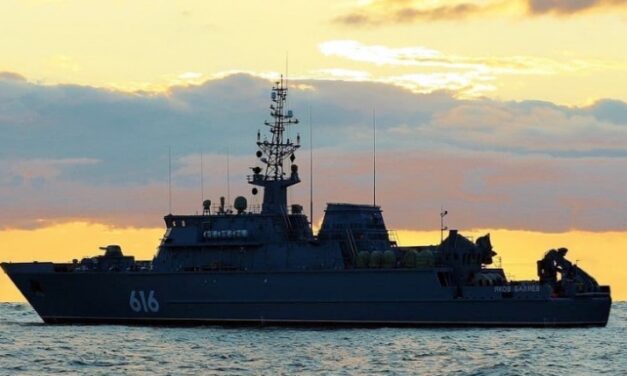
Pacific Fleet minesweepers Yakov Balyaev and Pyotr Ilyichev have carried out a minehunting exercise in Avacha Bay on the east coast of Kamchatka using the Skanda unmanned surface drone. The two Alexandrit-class boats (project 12700) were built at a shipyard in St Petersburg. With a length of 62 metres and a displacement of 900 tonnes, they currently have the largest fibreglass composite hulls in the world - a construction method originally developed by the German company Siemens. The ships, which entered service in 2020 and 2022, tested both their on-board systems and the latest Russian surface and underwater drones for mine hunting during the exercise. The class includes...

Weiterlesen

From the steam operating theatre to high-tech simulation

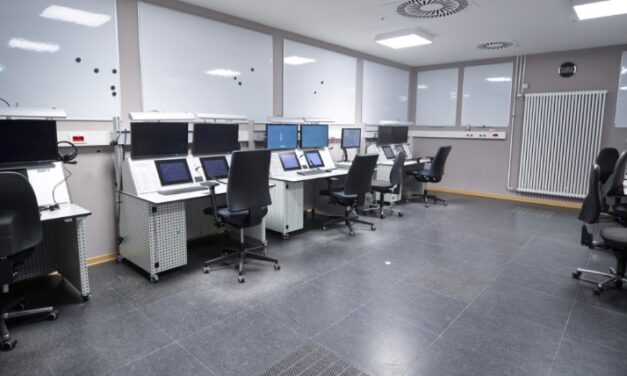
FLASH - enemy air contact at bearing 090 distance 50 nm, it sounds from a cabin at the Naval Operations School Bremerhaven at 10.15 a.m. on a Monday morning. While the crew on board would have taken up their battle stations by now at the latest, the course participants of OPZ 6 work through the threat in a coordinated manner under the watchful eyes of their instructors. The attack by the enemy missile is successfully repelled, a sense of achievement for the students on their way to becoming prospective operators. They practise the operational principles and procedures of command and control at sea - simulated in a safe training environment using a computerised training system. Training for the war of tomorrow takes place...

Weiterlesen
en_GBEnglish