
Category: Armed Forces

On the shopping list

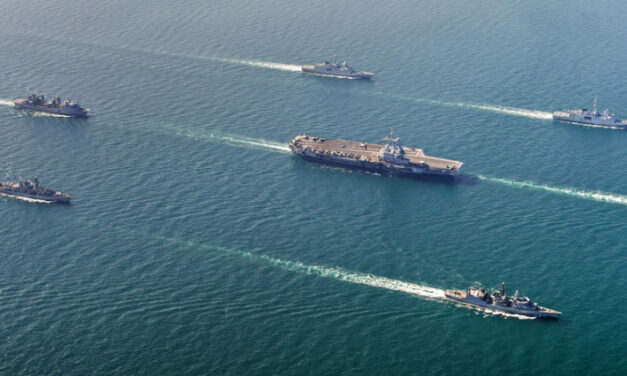
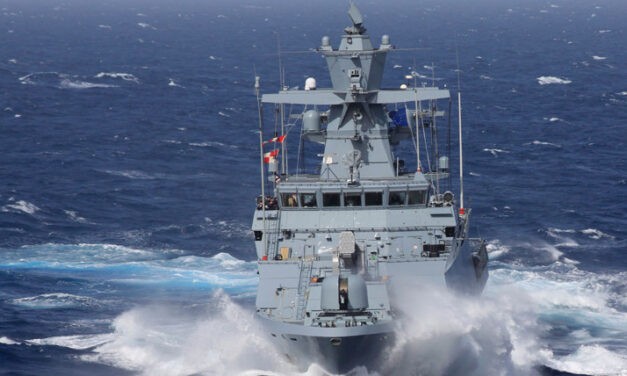
New weapons, autonomous systems and global availability - navies that want to be successful in the international arena are facing major challenges. The second part of "Turning Point at Sea" identifies the most important areas of action. When looking at different types of ships, the focus is on aircraft and helicopter carriers, large amphibious landing ships, drone carriers and submarines. Their size is increasing noticeably. Cruisers with a massive arsenal of guided missiles make a comeback. Destroyers, frigates and corvettes are being procured as standard, also with more tonnage and increased armament. Frigates are the standard surface combatant for extended missions with complex tasks and weapons. The fleet lists currently show 575 units. Until...

Weiterlesen
Rethinking naval ship management

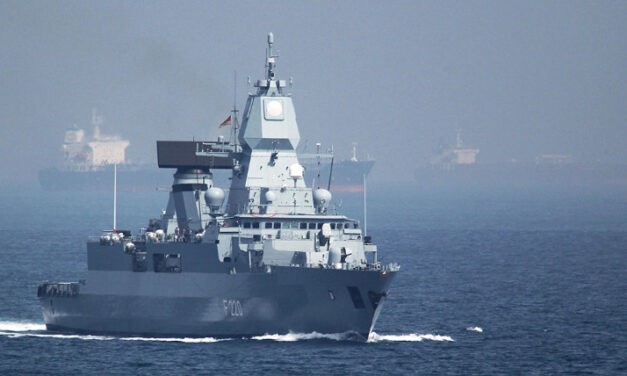
Während der vergangenen Jahrzehnte wähnte sich Deutschland in immerwährendem Frieden. Russlands Krieg gegen die Ukraine erfordert nun auch einen ehrlichen Blick auch auf die Gewährleistung sicherer Seeverkehrsverbindungen. Kriege gab es in der Menschheitsgeschichte wie Jahreszeiten, die den Lauf der Zeit beschreiben. Seit dem Wegfall des Eisernen Vorhangs und der damit einhergehenden Annäherung ehemaliger Feinde wog sich vor allem die europäische Bevölkerung in Sicherheit. Besonders in der Bundesrepublik Deutschland machte sich ein Gefühl der Freiheit, aber auch der Sorglosigkeit breit. Die Gewissheit, dass Deutschland von Freunden umgeben ist, trug dazu bei.[ds_preview] Zudem florierten sowohl die Wirtschaft als auch der Wohlstand....

Weiterlesen

Not a cent spent yet

The Defence Commissioner's 2022 annual report demonstrates the inability to promptly remedy the shortcomings in the armed forces. Despite ample funding. Just over a year after Federal Chancellor Olaf Scholz announced the modernisation of the Bundeswehr in his "turnaround" speech, the Parliamentary Commissioner for the Armed Forces, Eva Högl, draws a sobering balance in her 171-page Annual Report 2022. The turnaround has not yet reached the troops. The Bundeswehr has been stuck in a personnel, equipment and procurement crisis for decades and is struggling with the fundamental problems that have been known for years and remain unchanged: a serious shortage of material and dilapidated infrastructure, a lack of equipment and personnel, excessive bureaucracy and...

Weiterlesen

From global responsibility to strategic tunnel vision

Its flexibility makes the navy the ideal instrument of German foreign policy. A plea in favour of deploying the ships where they are needed - worldwide. To all appearances, the navy currently serves one main purpose and will continue to do so for the foreseeable future: to deter Russia on the northern flank of the alliance. As an initial reaction to Putin's invasion of Ukraine, this impulse is understandable, but harbours great risks - risks for German foreign policy and for the navy itself. Unlike during the Cold War, the Federal Republic is no longer the smaller West Germany. The traditional allied naval powers have also long...

Weiterlesen

Baltic Operations 22

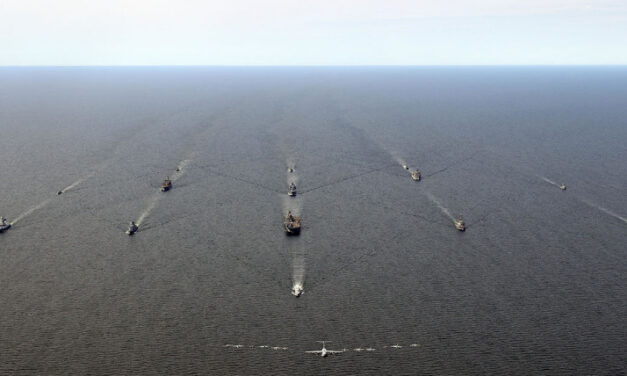
BALTOPS, the largest multinational naval exercise in the Baltic Sea, took place for the 51st time from 5 to 17 June 2022. Around 7,000 soldiers from 16 nations, including Sweden and Finland, took part this time. They were spread across 47 ships and boats, 89 aircraft, as well as various offices and troop units on land. BALTOPS stands for "Baltic Operations" and is a long-term exercise series that was launched by the US Naval Forces Europe in 1972. The purpose has not changed since then: The aim is to train various types of naval warfare with allies, for example hunting submarines,...

Weiterlesen
en_GBEnglish