Category: Magazine

Ice cold training

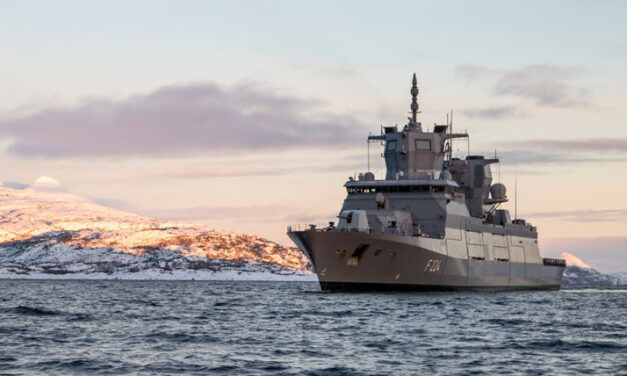
Auf Einladung der norwegischen Marine übten in der zweiten Novemberhälfte Schiffe aus Dänemark, Frankreich, den Niederlanden, Kanada, Portugal und Deutschland gemeinsam mit Einheiten des nordischen Partners zwischen Bodø und Tromsø. Zum Manöver Flotex Silver 21 kamen Fregatten, Korvetten, Minenjagdboote und Versorger, aber auch U-Boote, Seefernaufklärer, Kampfflugzeuge, Hubschrauber und die norwegischen Küstenjäger, eine Infanterieeinheit, im bereits eiskalten Norden Europas zusammen.[ds_preview] Die raue Atlantikküste, die Fjorde und die verwinkelten Bergketten boten dabei eine optisch beeindruckende, aber herausfordernde Kulisse für die Übungen. Es kommt nicht häufig vor, dass so viele Schiffe aus allen Teilen der NATO gemeinsam in diesem einzigartigen Seegebiet Übungen...

Weiterlesen

15 years of MARSOC: Special forces of the US Marine Corps

Each branch of the US military has its own special forces command, including the US Marine Corps (USMC). The Marine Special Operations Command (Marsoc) is smaller than the comparable commands of the other branches of the armed forces. With around 3,200 members, Marsoc accounts for only five per cent of the special forces personnel in the US armed forces. The budget is even more modest; only two per cent of the money that the Pentagon spends on Special Operations Forces (SOF) goes to Marsoc. Nevertheless, the Marine Corps conducts ten per cent of SOF missions. Command teams are constantly active on three continents, sometimes also in Europe. Marsoc was only set up 15 years ago. The official...

Weiterlesen

The quest for control in the maritime space

After decades of the USA being regarded as the world's most important naval power, China is now preparing to take over this role. It is not yet clear how the competition will end. There are many definitions of sea power, but their connotations have changed in the 21st century. For a naval power, the sea is undoubtedly a strategic theatre, but there are other factors and scenarios that enable a country to be a "superior" naval power. Today, it is no longer enough to have a large fleet of ships, but it is also necessary to be present in maritime areas of interest and to have new deterrence and control capabilities....

Weiterlesen

Less through more

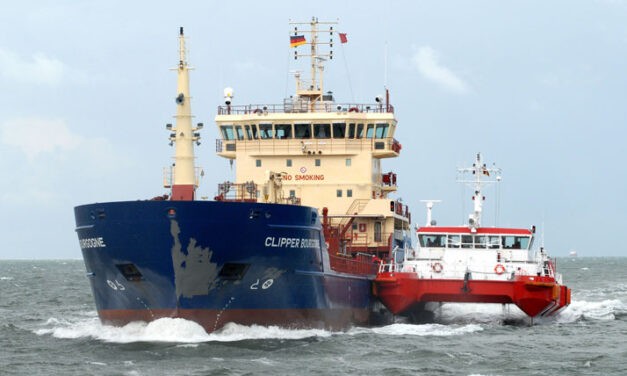
Following the publication of the article "The art of shipbuilding" in issue 9-2021, the editorial team received enquiries from readers who wanted to know more about swath technology. Carsten Wibel from Abeking & Rasmussen explains the principles and advantages of swath in his article. A ship designed according to the swath principle should move very little, even in heavy seas, and the crew should only have to deal with low accelerations. The special feature is the reduced waterline area of the two hull halves, hence the term small waterplane area twin hull. Almost 100 boats and ships have been built worldwide using this principle to date - 26 of them at Abeking & Rasmussen...

Weiterlesen

Frigate Myanmar: An unknown quantity

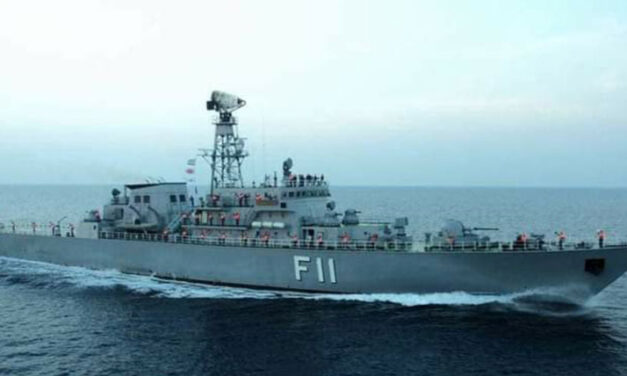
The navy of the Republic of Myanmar, which is geographically located between India, Bangladesh, Thailand and the People's Republic of China, has been undergoing an extensive fleet renewal programme for several years, which has so far gone almost unnoticed by the Western media. The fleet of the Myanmar Navy is made up of a colourful mix of different units from the USA, Denmark, the former Yugoslavia, India and the People's Republic of China. Between 1998 and 2002, CAMC Engineering from China laid the foundations for today's naval shipbuilding capacity in Myanmar by modernising the existing facilities and building a modern shipyard complex at the Naval Dockyard Headquarters in Thanlyin (not far from Yangon).

Weiterlesen
en_GBEnglish