Category: Shipping

Cradle of technology

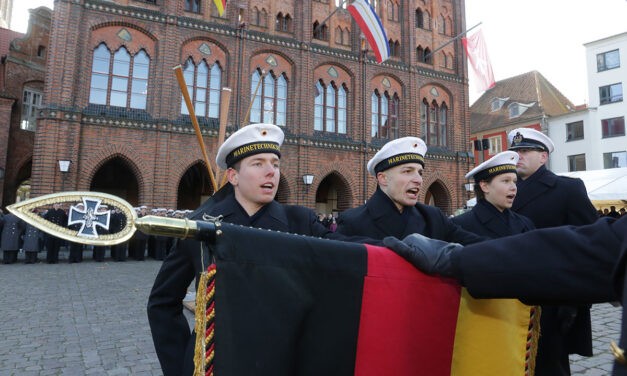
Seit einem Vierteljahrhundert bildet die Marine in Parow ihren technischen Nachwuchs aus. Die Breite und Qualität der angebotenen Trainings sucht dabei ihresgleichen. Am 28. März 2021 jährte sich die Indienststellung der Marinetechnikschule im vorpommerschen Parow zum 25. Mal. Gestartet als eine prominente Maßnahme im Projekt „Armee der Einheit“ ist sie schrittweise zur Ausbildungseinrichtung der Deutschen Marine für (fast) alle Marinetechniker aufgewachsen. Das Jubiläum gibt Anlass, sowohl rück- als auch vorausblickend eine Standortbestimmung durchzuführen und den aktuellen und künftigen Beitrag der MTS zur Einsatzfähigkeit der Marine in seiner ganzen Vielfalt aufzuzeigen.[ds_preview] Bereits in der Bundesmarine gab es Ende der Achtzigerjahre...

Weiterlesen
Mega-threat from mega-carriers

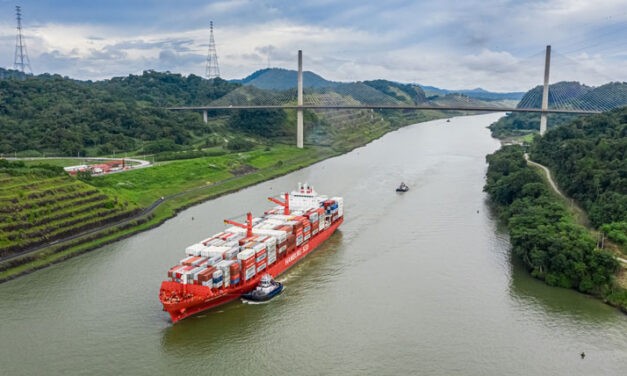
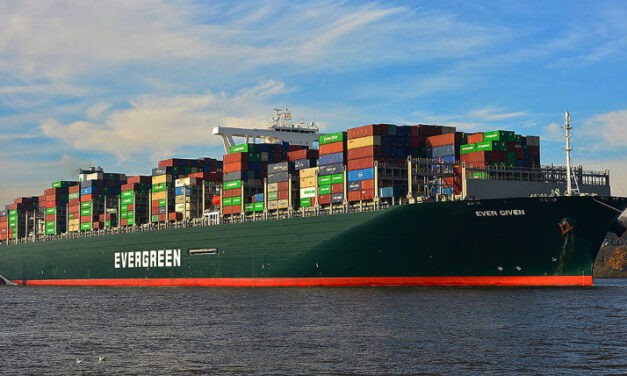
Noch heute sind die Auswirkungen der Havarie im Sueskanal zu spüren. Wo liegen die Grenzen für das Befahren von Flüssen und Kanälen mit Containerriesen? Eine weltweite Aufmerksamkeit wurde dem Containerriesen Ever Given gewidmet, als dieser sich am 23. März gegen 14:40 Uhr (UTC) bei der Passage des nur knapp 300 Meter breiten Sueskanals quer legte. Weitere Passagen von Schiffen waren im Anschluss nicht mehr möglich. Ein Freischleppen blieb erfolglos, da sich beide Schiffsenden infolge der großen Bewegungsenergie tief in die sandigen Uferböschungen hineingeschoben hatten.[ds_preview] Nach einer erfolgreichen Freibaggerung konnte der Containerriese am 29. März in den Bittersee verschleppt und...

Weiterlesen

Where have they gone?

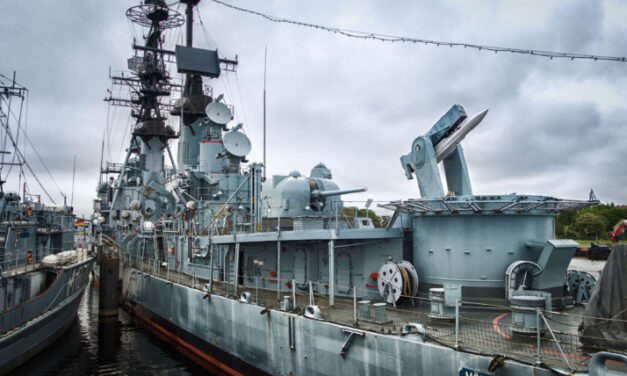
After reunification in 1990, Germany's navy suddenly had hundreds of boats and ships at its disposal. Many of them were dispensable for political purposes and were sold or utilised worldwide. At the end of the Cold War in 1990, the Bundesmarine was a powerful and operationally ready navy capable of high-intensity combat. The Bundesmarine's mission was based on credible, conventional deterrence against the Warsaw Pact navies in the North Atlantic and in the North and Baltic Seas. At the time, the German Navy comprised around 175 boats and ships as well as 110 Tornado fighter-bombers. With the end of the bloc confrontation, politics and society demanded a clear peace dividend...

Weiterlesen

Shipyards in crisis

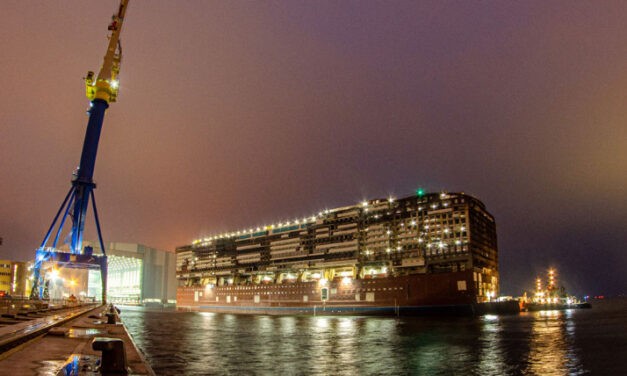
The insolvency of the MV Werften Group poses considerable challenges not only for the structurally weak region in north-east Germany. Experts see a threat to the entire German shipbuilding industry. 10 January 2022 will go down as a black day in the recent history of German shipbuilding. On this day, the management of the MV Werften Group, which belongs to the Malaysian Genting Group and has sites in Wismar, Rostock and Stralsund, filed for insolvency. Lloyd Werft in Bremerhaven, which also belongs to Genting, was also affected. The shock was particularly great in Mecklenburg-Western Pomerania, although it was not entirely unexpected. The shock was particularly...

Weiterlesen

Course South America

In its 150-year history, the Hamburg Süd shipping company has had to start from scratch more than once. In the meantime, the flagship is no longer in German hands. Founded in 1871 by Hamburg merchants, the Hamburg Süd shipping company has been an institution in Hamburg and on the South America trade for 150 years. Although it has since been sold to the Danish Maersk Group, the company's name has remained a highly valued trademark, as has its Hamburg location. On the one hand, this is certainly due to the name, but more importantly, the easier preservation of the established economic connections that was achieved in this way will have been the decisive factor. One...

Weiterlesen
en_GBEnglish