
Category: Headlines

Canada - Life extension for Halifax frigates

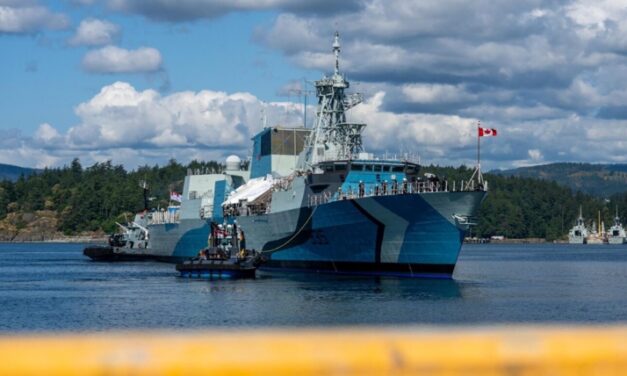
At the beginning of June, the Canadian frigate "Calgary" with its striking camouflage livery completed a general overhaul that lasted over two years - including the planning lead time and the reactivation phase that is now beginning, it will have been more than three years in the shipyard. She was the second unit of the twelve Halifax-class patrol frigates (135 metres, 4,800 tonnes) which, after thirty years of service and a minor mid-life modernisation, are being made fit again, but comprehensively, for their extended service life. They will be succeeded from 2030 by a modified Type 26 frigate, which is currently being built for the Royal Navy in Scotland. The next of the five Halifax frigates stationed on the west coast, "Winnipeg", is...

Weiterlesen
All aboard

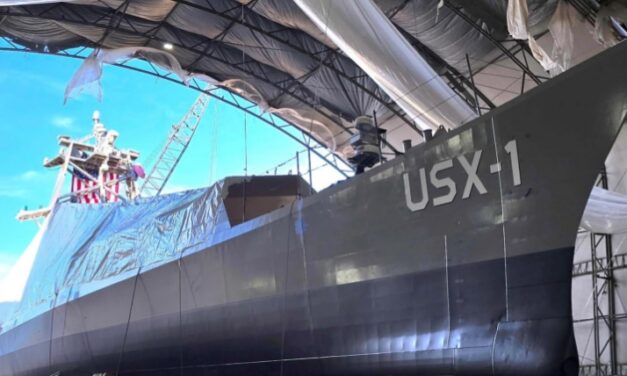
The Defiant, a prototype of a potentially armed, medium-sized unmanned surface vehicle, is undergoing several months of sea trials this spring. In future, the boats will be able to perform a variety of different tasks autonomously. USX-1 was developed on behalf of the Pentagon's technology agency, the Defense Advanced Research Projects Agency (Darpa). The programme is called Nomars, an acronym for No Manning Required Ship. The aim is to develop a ship that can operate at sea for long periods of time without a human crew. "The Nomars programme deviates from the traditional shipbuilding model," explains Darpa. Although the US military already has a large number of autonomous...

Weiterlesen

Denmark - autonomous guarding for Belte and Sund

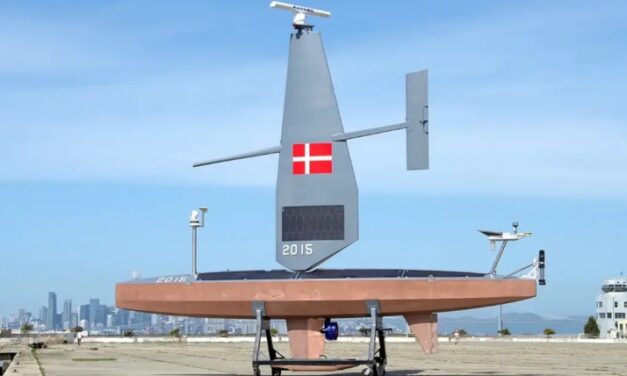
Constantly under power, wind or sun, always wide awake, hear and see everything, under and above water, but never seasick! The Danish Ministry of Defence has put four Voyager naval drones from US manufacturer Saildrone into service in order to detect and fend off potential espionage and sabotage attempts on critical infrastructure at an early stage. The autonomous vehicles are electrically powered by wind and solar energy, allowing them to operate cost-effectively at sea for months without direct intervention. Autonomous control and navigation systems are installed to carry out autonomous military surveillance missions. Optical, acoustic and infrared sensors, including radar and sonar, provide data that can be analysed using artificial intelligence and machine learning.

Weiterlesen

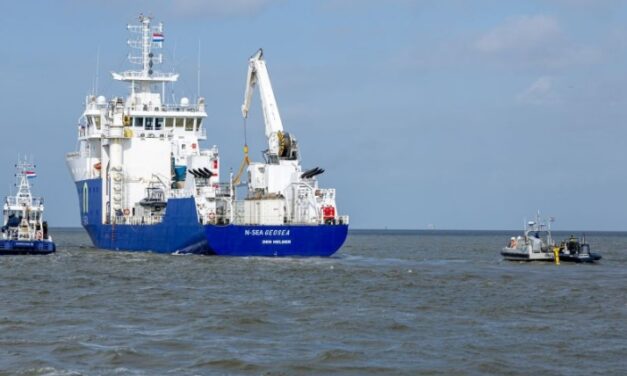
Netherlands - Three navies complete joint defence exercise

The Royal Netherlands Navy operated together with the Belgian and Estonian navies as part of the "Sandy Coast 25" exercise. The focus this year was on protecting Eemshaven on the Ems estuary, which is important for the transit of NATO military equipment and the harbour of Delfzijl on the Ems, as well as important data and energy cables (KRITIS). The aim of this international exercise was not only to localise and dispose of war debris, but also to improve and strengthen cooperation between the allies, including the police and the Dutch coastguard. The focus here is on optimising coastal defence as well as testing...

Weiterlesen

The new Polarstern receives propulsion from Wärtsilä

The order volume includes generator sets, propulsion units and systems such as methanol treatment and exhaust gas aftertreatment. In September 2025, TKMS signed contracts with three suppliers to procure the propulsion technology for the new Polarstern on behalf of the Alfred Wegener Institute. The aim is to utilise technologies that enable particularly low-noise and low-emission research at sea and in the polar regions. CEO Oliver Burkhard emphasised the importance for TKMS: "By selecting the complex propulsion system for the new Polarstern, we are ensuring that we meet the high customer requirements for reliability, environmental protection and sustainability." Propulsion technology for sustainable and emission-free research Four generator sets from TKMS were used to generate...

Weiterlesen
en_GBEnglish