Category: Magazine

Allow me: Fridolin, Oberseewebel

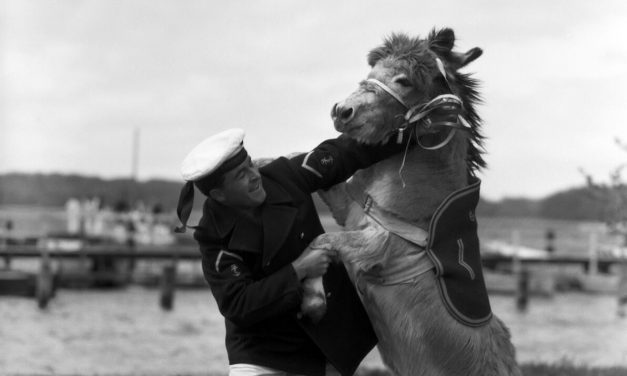
Bis heute erinnert ein Gedenkstein auf dem Geländer der MUS an Fridolin. Wer steckt dahinter? [ds_preview] Unzweifelhaft muss der Dienst in den Streitkräften im Allgemeinen und die Übernahme von Verantwortung als Vorgesetzter im Besonderen von Ernsthaftigkeit geprägt sein. Gleichwohl hat es gerade die Marine stets vermocht, ihren Dienst sowohl mit Professionalität und Leidenschaft als auch mit Humor und der, wie Vizeadmiral Axel Schimpf es 2010 in einer Rede ausdrückte, „marineeigentümlichen heiteren Gelassenheit“ zu versehen. In diesem Kontext ist auch die inzwischen schon etwas ältere, aber in ihrem Wesen noch topaktuelle Geschichte unseres Fridolin zu sehen. Wie so oft wurde...

Weiterlesen
What is the purpose of the armed forces?

Now, after the presidential election in the USA and before the German parliamentary elections, there are more and more voices calling for a new direction for the Bundeswehr in view of recognised deficits. This has happened more than once over the past three decades. Much has been discussed about the mission and tasks of the Bundeswehr. But one question has never been put on the agenda: what is its actual political purpose? This question is not about what the armed forces are supposed to do, but what politicians want to achieve with their existence. What political effect does Germany actually want to achieve by spending over €40 billion a year on the Bundeswehr?

Weiterlesen

Mate after 30 months

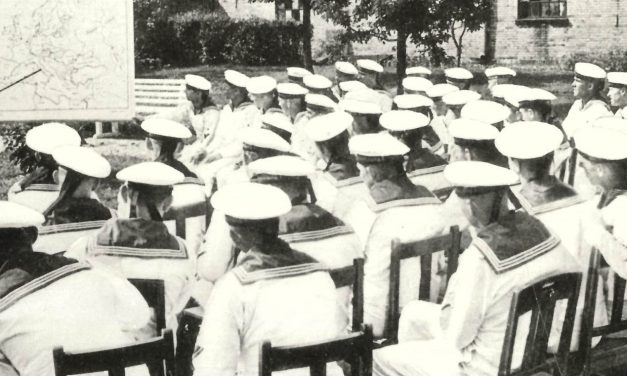
Die Geschichte der Ausbildung an der MUS ist gekennzeichnet durch ständige Anpassung. Nicht immer waren die neuen Wege erfolgreich. Ralf Zielinski   Mit dem Einzug der MUS in die Kasernenanlage Plön Ruhleben am 23. September 1960 kehrte die militärische Ausbildung der Unteroffiziere der Marine nach Gründung der Bundeswehr wieder an einen ihrer Ursprungsorte zurück. Sie ist bis heute der Ort, an dem alle Unteroffiziere der Marine mindestens einmal in ihrer Dienstzeit einen laufbahnrelevanten Lehrgang absolvieren. Ausnahme bilden die Unteroffiziere, die als Marineuniformträger (MUT) Dienst im Organisationsbereich Zentraler Sanitätsdienst der Bundeswehr (ZSanDstBw) leisten. Diese Unteroffiziere erhalten seit Aufstellung des ZSanDstBw...

Weiterlesen

Training under many auspices

From the arrival of the first soldiers in 1938 to the opening of the Naval NCO School in 1960, Plön and the Ruhleben barracks experienced an eventful history. Excerpts from life between "capital", boarding school and site of the German Navy. Christian Senne Last year, the Naval NCO School was able to look back on its sixtieth anniversary at the Plön site. Since 27 September 1960, non-commissioned officers with and without a commission in the German Navy have been trained here. Prior to this - in the early years of the German Navy - NCO training had first taken place in Cuxhaven, then in Brake an der Unterweser and from 1957 to 1960 in Eckernförde. With the arrival of 600 soldiers...

Weiterlesen

New start in Neustadt

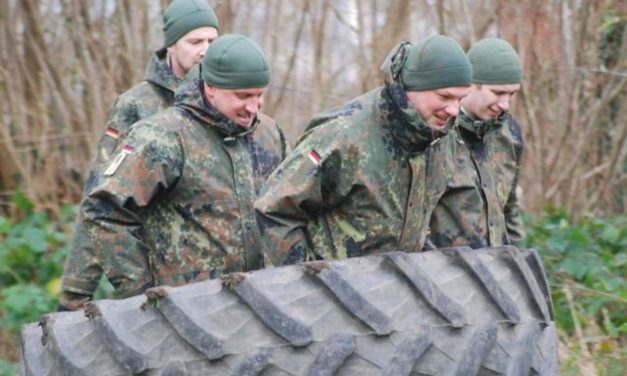
The Naval Re-employment Centre (ZWE Mar) at the Neustadt in Holstein site is a sub-unit of the Naval NCO School. Its mission is to ensure the reintegration of former servicewomen and men - including those from other branches of the armed forces - into the navy. Due to changes in the framework conditions, such as the abolition of age restrictions for re-entry into the Bundeswehr, there has been a noticeable influx of former servicemen and women into the armed forces in recent years. In this context, as part of a project to make basic training capacities more flexible and increase them, the organisational areas were requested in 2016 to "waive the complete repetition of basic training (GA) for reenlisted personnel...

Weiterlesen
en_GBEnglish