Category: Magazine

France tests the "Courbet" frigate

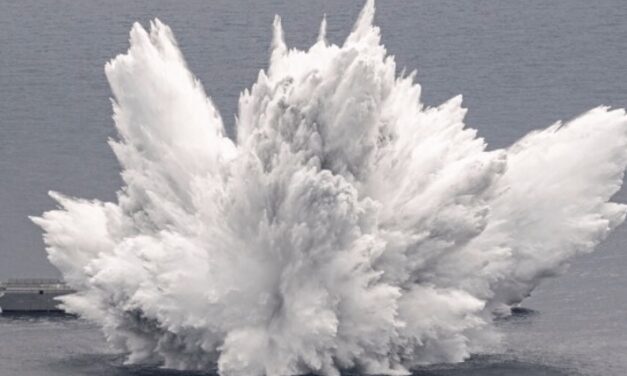
Unlike other navies, the German Navy also tests its units against shock effects while they are in operation - and underway. However, this rarely happens. At the end of February, it happened again: "Courbet", one of the five La Fayette-class frigates (124 metres, 3,800 tonnes) with almost 30 years at sea under its keel, was subjected to a mine explosion as a "near miss explosion" in order to put the crew and equipment to the test. The result is of course subject to secrecy. The US Navy, for example, tests its type ships in a series of four blasts in ascending intensity up to 66% of the "maximum design shock value" on the third...

Weiterlesen
A (no longer quite so) new threat to the fleet?

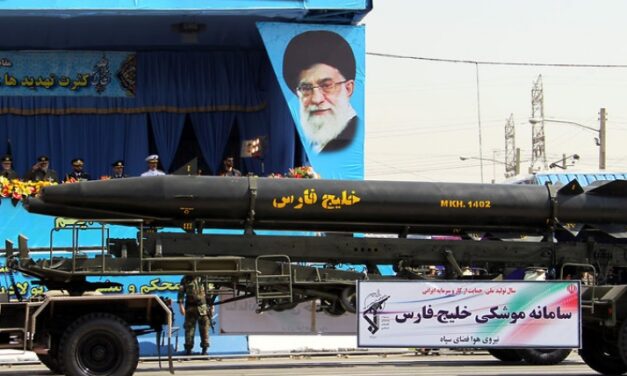
In the Red Sea, the frigate Hessen successfully defended itself against a ballistic missile launched by the Huthi rebels. However, the frigates are not actually equipped to defend against such weapons. "Surprise always comes where you didn't expect it." Lieutenant Captain Marius Werth, 1st Air Defence Officer of the frigate Hessen, opened his stirring presentation at this year's Naval Historical-Tactical Conference with this quote from Wilhelm Busch. Lieutenant Captain Werth reported on the cold start and the look into the crystal ball that the frigate Hessen faced in February 2024 when it was deployed as part of the international crisis management programme to protect merchant shipping against attacks by Houthi militias.

Weiterlesen

Cables, anchors, coincidences

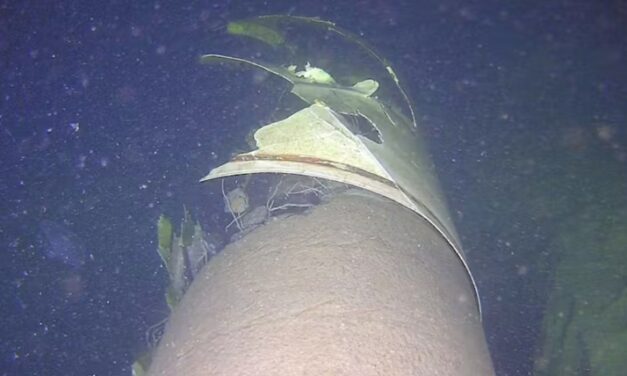
In der Ostsee gab es in den letzten eineinhalb Jahren mindestens fünf Zwischenfälle, bei denen Frachtschiffe mit ihrem Anker Tiefseekabel oder Pipelines beschädigt haben. Handelte es sich dabei um Unfälle oder vorsätzliche Taten? Bei einer Betrachtung dieser Fälle fallen folgende Gemeinsamkeiten auf: 1. Die Schiffe kamen aus Russland, fuhren Fracht für Russland oder die russischen Reeder oder Eigner unterhielten enge wirtschaftliche Beziehungen mit Russland. Aus Sicht der EU und mit besonderem Blick auf das bestehende Sanktionsregime handelten die Reeder mindestens im Graubereich. Einige hatten russische. Crewmitglieder an Bord.[ds_preview] 2. Die Schiffe fuhren über sehr weite Strecken mit schleifendem Anker....

Weiterlesen

Autonomy in battle

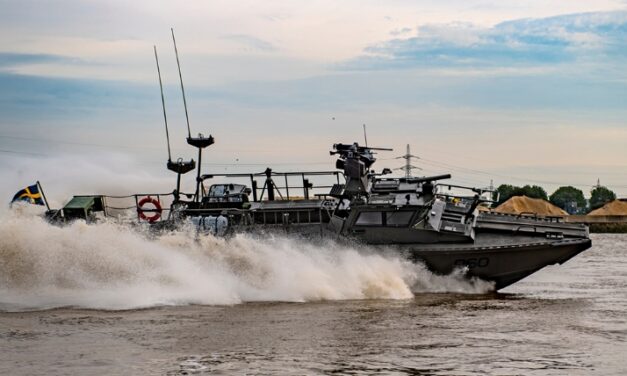
With the CB 90, Saab offers a powerful combat boat. The integration of the Autonomous Ocean Core now opens up further potential uses. With the CB90 (CB stands for Combat Boat) from its subsidiary Docksta, Saab is demonstrating how a unit originally designed for manned operation can be optimised for uncrewed operation with the help of autonomous technologies. CB90 is already in service with several navies for amphibious, littoral and riverine operations. In addition to the Royal Swedish Navy - where it is primarily used for amphibious purposes - the CB90 is also used by the US Navy.

Weiterlesen

Using artificial intelligence to combat lost networks

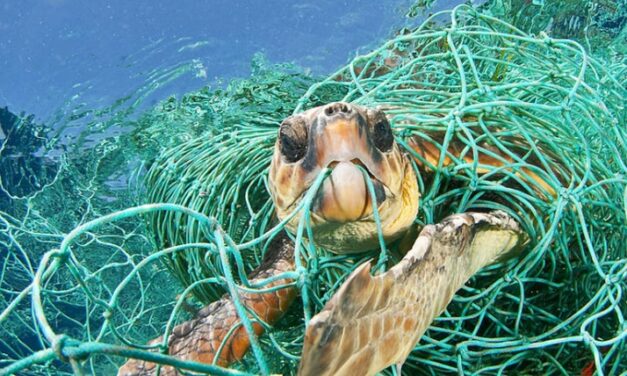
Every year, tens of thousands of tonnes of fishing nets, known as ghost nets, end up in the sea. Sea creatures and diving birds get caught in them indiscriminately and usually die an agonising death. Artificial intelligence is now helping to salvage them. Since the 1960s, fishing nets have no longer been made from the perishable natural materials hemp, sisal or linen, but from synthetic materials such as polypropylene, polyethylene and polyamide (nylon, Kevlar). Nets or net parts manufactured in this way and then lost or disposed of at sea only decompose after several hundred years and thus contribute to the plastic pollution of our oceans. According to the latest studies, ghost nets make up between 30 and 50 per cent of marine plastic and catch...

Weiterlesen
en_GBEnglish