Category: Technology

Icebreaker on dry land

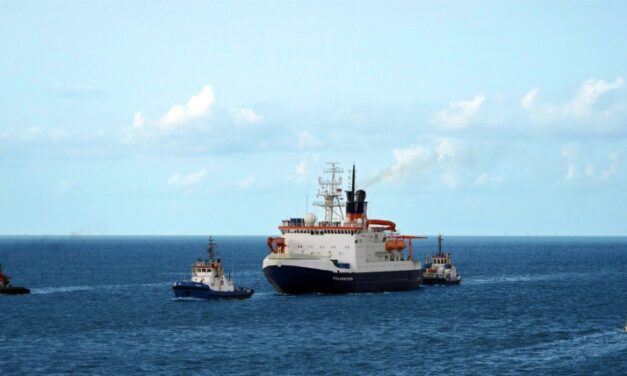
In more than 40 years, the research vessel "Polarstern" has travelled almost two million nautical miles. In the dock, the icebreaker shows off its dents and its inner workings. Temperatures in double figures below zero, metre-thick ice, thousands of nautical miles from home: the federally owned research vessel "Polarstern" is built for extremes. Time and again, it sets course for the Arctic and Antarctic so that scientists can conduct research there. Between two expeditions, the "Polarstern" had to go to the shipyard in Bremerhaven in the spring. There she showed her dents, but also what she is made of. Four engines with a total of around 20,000 hp, a helicopter hangar, underfloor heating for outside and a swimming pool...

Weiterlesen
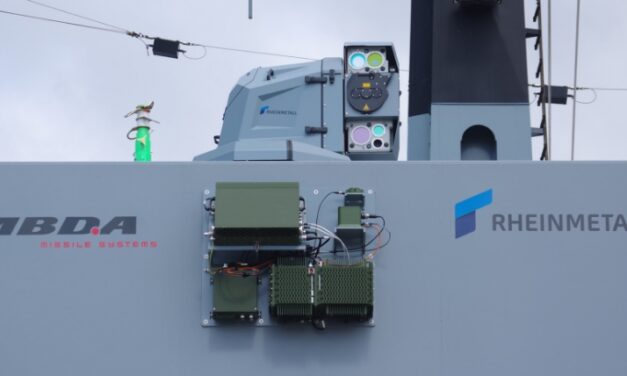
Uncharted territory

The laser weapon project for the navy continues after an extremely successful start. The engineers involved are entering uncharted territory - and are facing new challenges every day. In 2020, the Federal Office of Bundeswehr Equipment, Information Technology and In-Service Support (BAAINBw) commissioned Arge Hochenergielaser Marinedemonstrator, a joint venture between Rheinmetall Waffe Munition and MBDA Deutschland, to develop and manufacture a laser weapon demonstrator (LWD). The aim was to investigate the state of the art for this new type of weapon system and gain initial experience in its use. The LWD was brought on board the frigate Sachsen in June 2022. The almost one-year trial period...

Weiterlesen

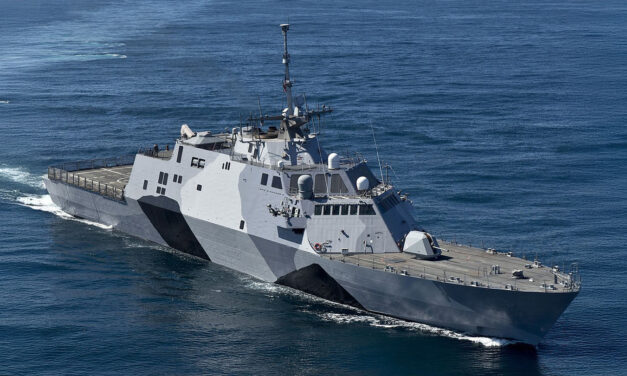
The LCS debacle of the US Navy

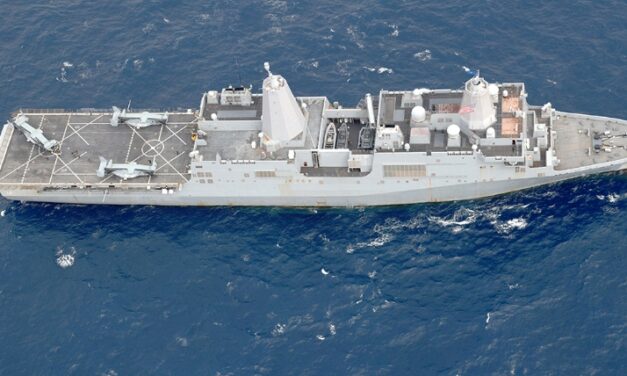
Hardly any other US Navy concept has made as many negative headlines in recent decades as the Littoral Combat Ships (LCS). With the foreseeable end of the procurement programme, it is now time to come to terms with the disaster. The transverse launch of the USS Cleveland on 15 April 2023, in which the ship rammed a tugboat and was slightly damaged, is emblematic of the state of the US Navy's LCS programme. What was supposed to be a cutting-edge concept to prepare the Navy for challenges in coastal waters turned into a maritime nightmare shortly after the first ships were commissioned. Originally...

Weiterlesen

German Mission Network Seegehend

If you want to survive in battle today, you have to be able to exchange information in real time - even with units from other nations. A disruptive approach is now being developed for a continuously updated command and control capability for the navy. With the German Mission Network (GMN) programme, the existing command information systems of the armed forces are being harmonised, service-oriented and transferred to a common platform. This enables the capability for national and multinational mission and operational command. With GMN Seegehend, the implementation for the maritime dimension and the development of the Bundeswehr's joint, cross-command level, nationally and multinationally interoperable information and communication network on the Navy's ships and boats is taking place. This means that information from the German,...

Weiterlesen

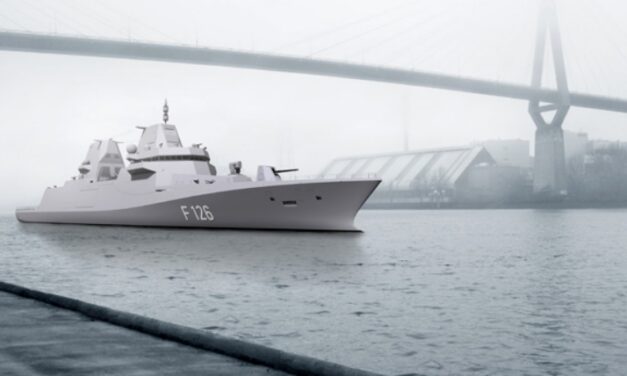
Delayed and too expensive

Die Schiffsbeschaffung der US Navy liegt um mehrere Jahre hinter dem Zeitplan. Gleichzeitig explodieren die Kosten. Die Regierung kündigt gezielte Maßnahmen an. Dass die meisten Schiffbauprojekte der US-Seestreitkräfte hinter dem Zeitplan stehen, ist längst bekannt. Die Hochseeflotte der Navy verfügt gegenwärtig über weniger als 300 Einheiten einschließlich der Flottenversorger. Das Pentagon schätzt, dass 381 Einheiten nötig wären, um alle globalen Verpflichtungen der Marine wahrzunehmen. Das verzögerte Schiffbautempo behindert den Flottenausbau und die Ablösung älterer Schiffe durch neue und leistungsstarke Einheiten. Dieser Umstand ist [ds_preview]besonders gravierend angesichts des rasanten Wachstums der chinesischen Flotte. Pekings Hochseeflotte verfügt bereits über 370 Einheiten...

Weiterlesen
en_GBEnglish